FULL LOADS
Less water per item
Newcastle University research found water volume, not spinning, drives shedding. Full loads and standard cycles release fewer fibres.
Check a load doodleoutfit

WHAT THE RESEARCH SAYS
Synthetic clothes lose tiny fibres in the machine.
Many are small enough to drain away with the water, and many are likely to pass through sewage treatment into the environment. UK university studies show the fabric, the cycle and the size of the load all change how many come out.
FULL LOAD less water per shirt
Check a loadTHE SHORT ANSWER
You cannot stop shedding completely,
but research points to easy ways to cut it.
FULL LOADS
Newcastle University research found water volume, not spinning, drives shedding. Full loads and standard cycles release fewer fibres.
Check a loadFABRICS
In Plymouth tests, acrylic shed the most and a polyester-cotton blend the least, whatever detergent was used.
See the numbersFILTERS
Fibre-catching devices cut fibres reaching wastewater by 21% to 78% in Plymouth's tests, but researchers say they are only part of the answer.
What you can do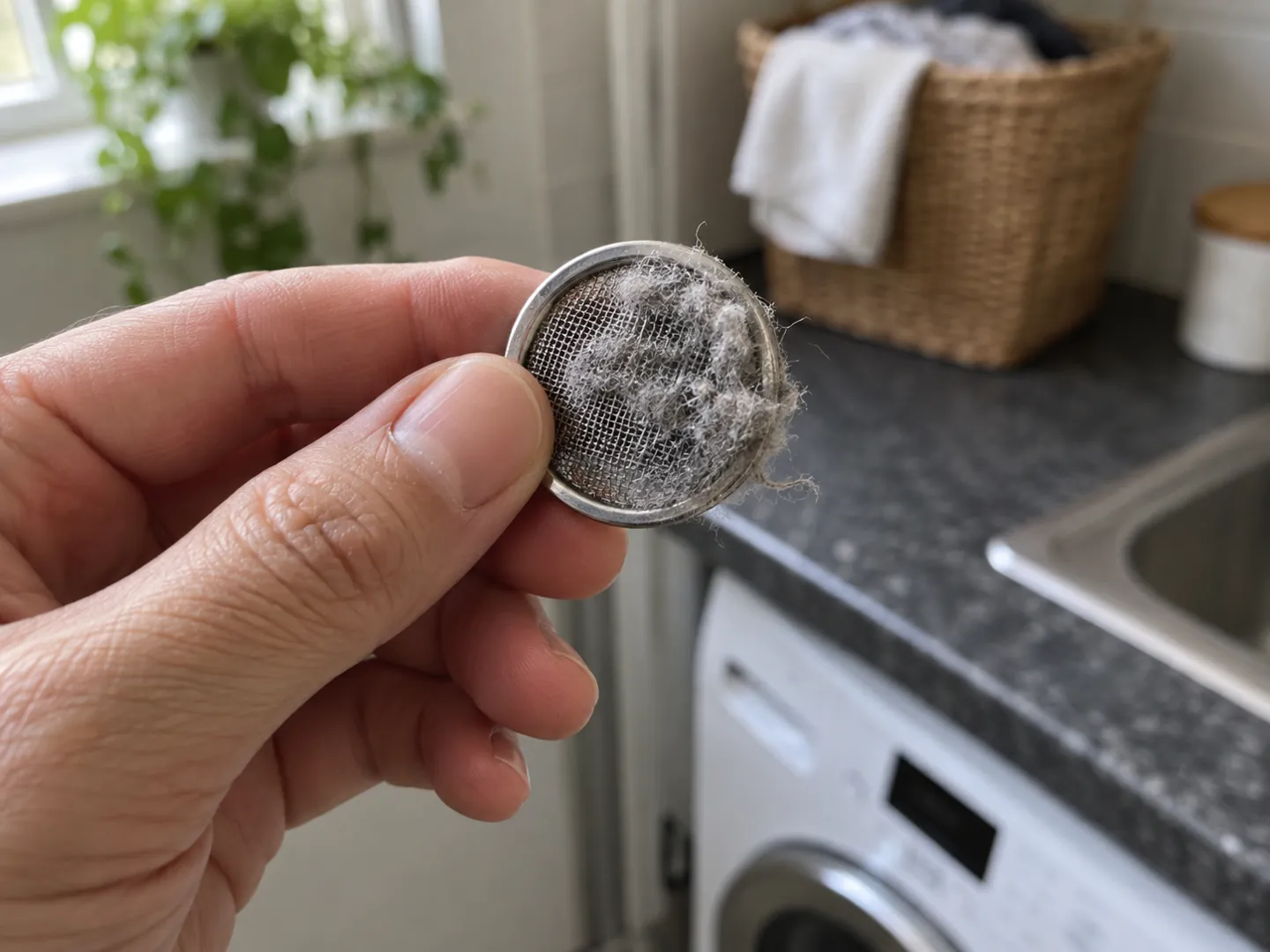
FOUR HABITS TO TRY
These come from the studies' own conclusions. None of them needs new kit, and some save water and energy too.
Full loads mean less water for each item, which the Newcastle study linked to fewer fibres.
Delicate cycles use a high volume of water, which pulled away the most fibres in the tests.
Acrylic and polyester shed more than a polyester-cotton blend. Check the label when you buy.
Plymouth researchers say the biggest change may be clothes designed to last longer and shed fewer fibres.
TWO NUMBERS WORTH KNOWING
One figure on how much a load can shed,
one on how much a filter can catch.
700,000+
Fibres from one 6 kg acrylic wash
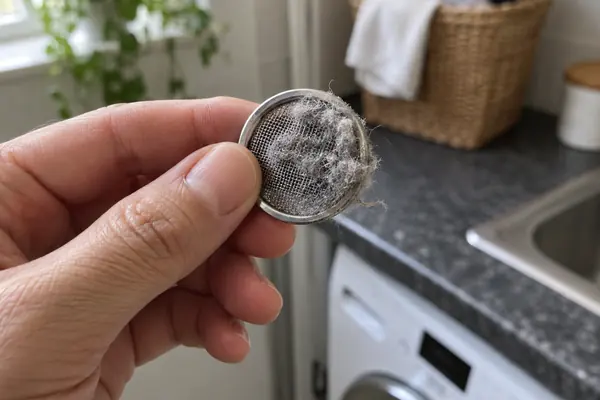
Washing an average 6 kg load of acrylic released an estimated 728,789 microscopic fibres in a 2016 University of Plymouth study, many likely to pass through sewage treatment.
SHEDDING · UNIVERSITY OF PLYMOUTH
78%
Best fibre-catching device tested
In a 2020 comparison of six in-drum devices and external filters, the most effective cut the fibres released by 78% and the least effective by 21%.
FILTERS · UNIVERSITY OF PLYMOUTH
Plymouth researchers also found everyday wear and tear is as significant a source of microplastics as washing, and say designing clothes to shed less in the first place may be the biggest change.
A QUICK LOAD CHECK
Pick a load to see roughly how many fibres research found it released. The bar shows how much shedding the studies measured.
Figures from University of Plymouth (2016) and Newcastle University (2019) laboratory studies of synthetic fabrics.
WHERE THEY GO
Microfibres from nylon, polyester and acrylic are so small that they drain out of washing machines. Newcastle University scientists have found such fibres in the deepest parts of the ocean, where sea creatures eat them.
The appliance industry has started adding microfibre filters to some new washing machines, and the textile industry is looking at clothes that shed less. Researchers say design, filtration and washing habits will all be needed.
Questions
Clothes containing synthetic materials such as nylon, polyester and acrylic shed plastic microfibres when washed. In Plymouth tests, a polyester-cotton blend shed fewer than pure polyester or acrylic.
Not for microfibres. Newcastle University found delicate cycles, which use more water, released 800,000 more fibres per wash than a standard cycle.
Yes. The 2019 study found a high water-to-fabric ratio was the biggest factor, so the authors advise using full wash loads.
Some do. Plymouth tests of six devices found reductions from 21% to 78%, but the researchers say filters can only ever be part of the solution.
In the 2016 Plymouth study, adding bio-detergents or conditioners tended to release more fibres.
Updated
ABOUT THIS NAME
doodleoutfit.com is part of the DoodleSale portfolio. It isn't in an auction right now, but you can ask about leasing it.